
The trailer for ‘Pilotendroom’, on the Transavia channel.
A reality series made in-house
Anyone who wants to become a pilot doesn't watch a recruitment video. They follow people already walking the path. So we made a series: real people, real work, followed over a long stretch — a year in production, from format design to the edit.
I directed and produced the series. It drew two million cumulative views — and it was the first reality series Transavia made in-house.
- Employer branding as programming, not as a campaign
- Candidates followed over a long stretch, including the moments it didn't go their way
- A year in production, in-house
A few tenners more for those green seats.
Flying is standardised down to the decimal point: the same aircraft, the same rules, the same route. The difference isn't in what you sell — it's in what people feel about you.
That's what the brand-preference strategy was built on, with YouTube as its engine. Not to sell tickets, but to turn up familiar so often that in a list of cheap search results you still click that one. Those familiar green seats.
- ‘Gek op Reizen’ — building preference in the months before the booking
- One channel, two audiences that never get in each other's way
- YouTube as the engine under a broader brand-preference strategy
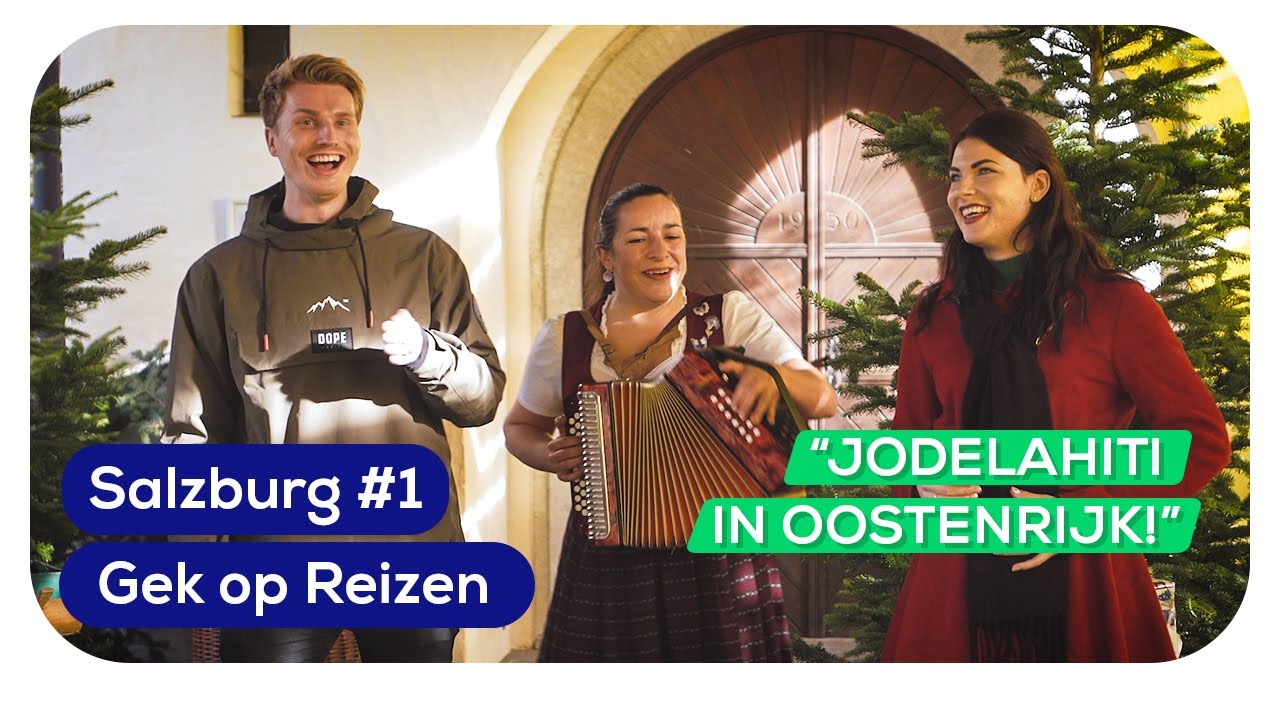
From ‘Gek op Reizen’: the first episode, about Salzburg.